
Automation Fundamentals
Vehicle E/E architecture basics
Corporate Training
Structured programmes, hands-on labs on real boards and toolchains, practical projects and assessment — designed for engineering teams and new graduates.
01 · Training in practice
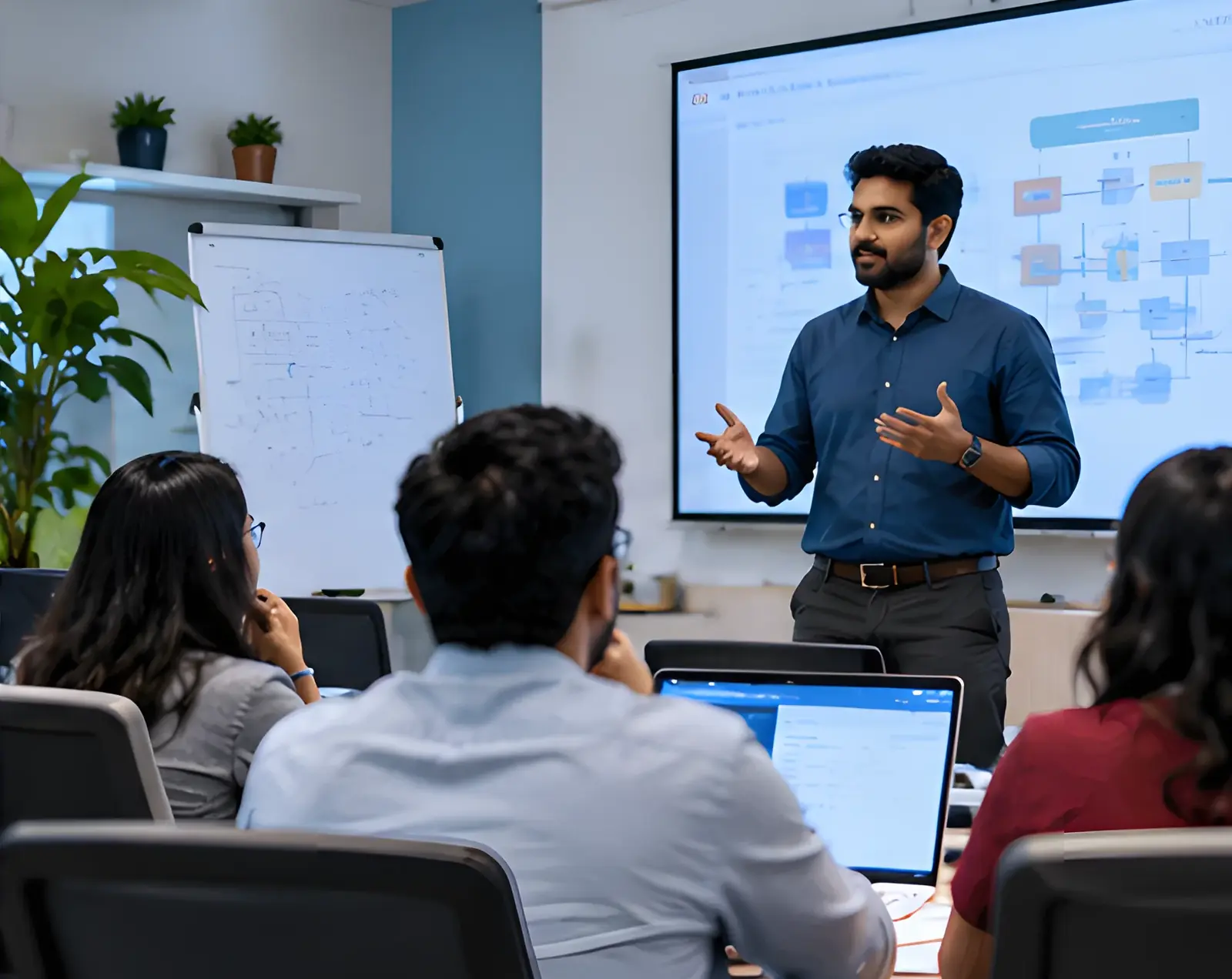
Programmes combine short concept sessions, guided bench work on boards and tools, and projects reviewed against the same quality bar we use on live engineering work.
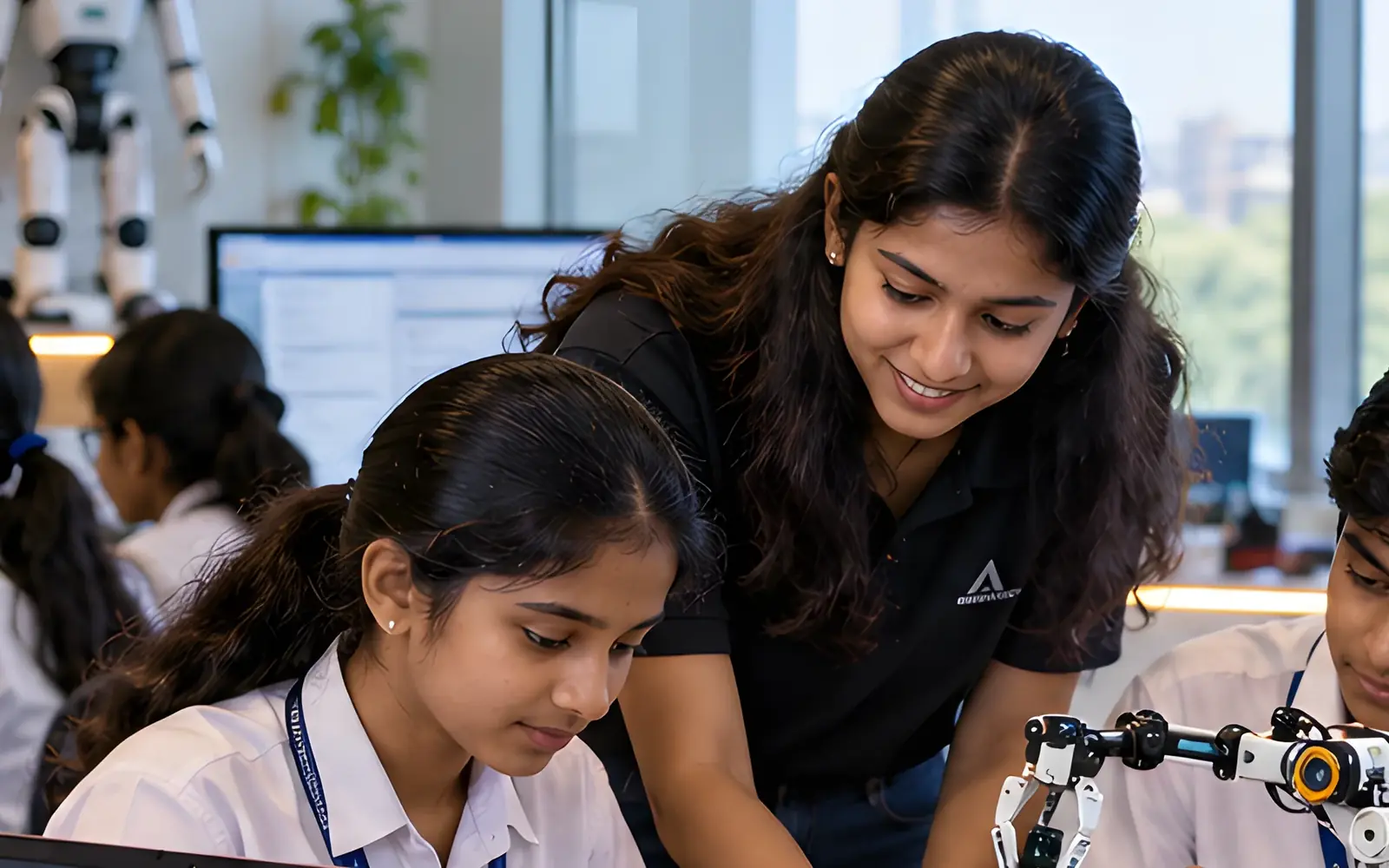
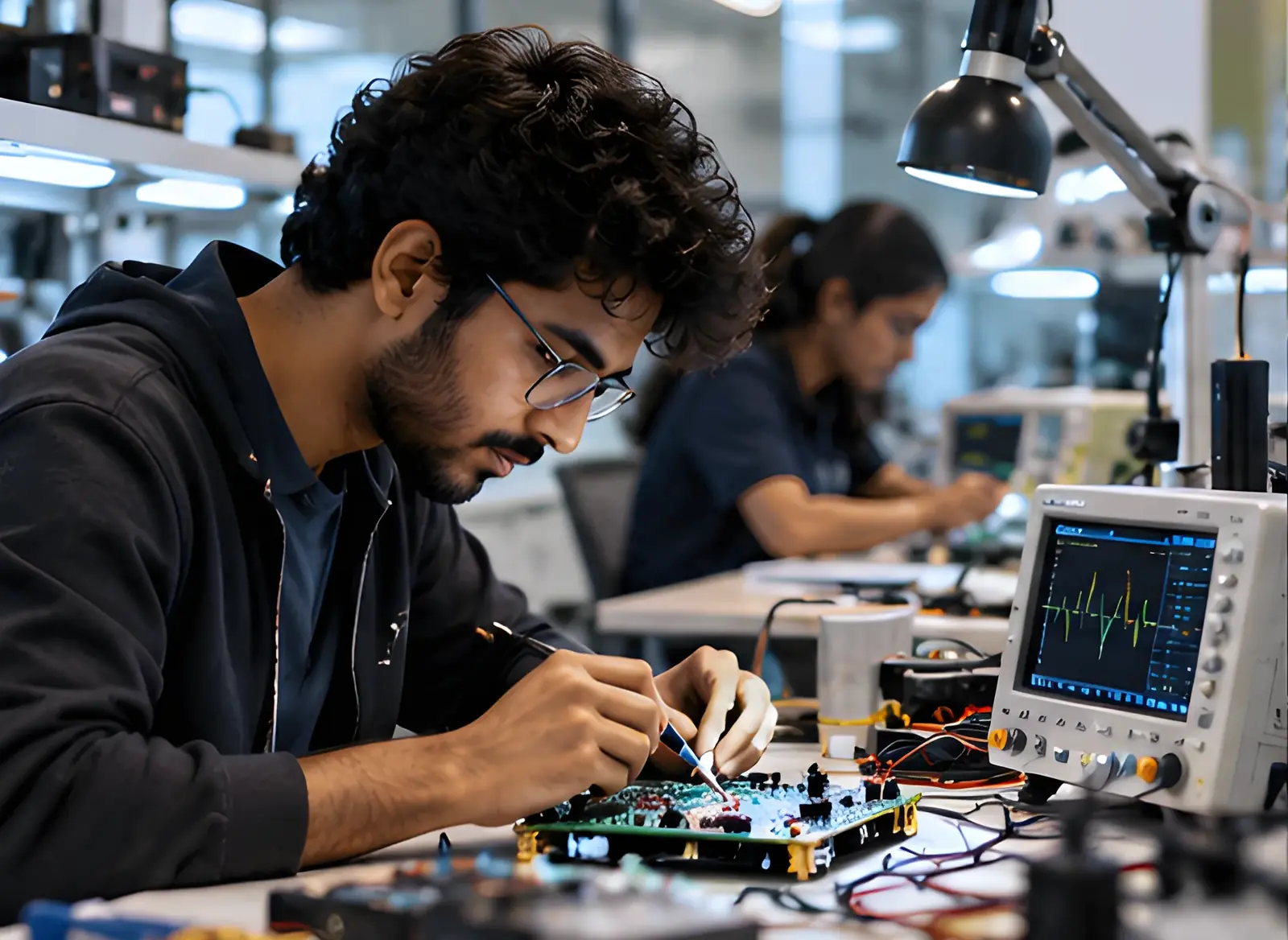

Every concept session is paired with guided bench work.
The same tools, boards and workflows used on live projects.
Quizzes, lab checks and a capstone project with feedback.
On-site, online or hybrid delivery, scheduled around your team.
02 · Learning tracks
Nineteen programmes, grouped into five tracks. Start where your team is, move up the ladder, and open any syllabus in place. Enquire for duration, dates and a plan for your group.
From vehicle E/E basics to AUTOSAR, advanced ECU integration and HIL validation.
Vehicle E/E architecture basics
Vehicle ECU software lifecycle and E/E architecture
Advanced ECU and vehicle E/E architecture
Hardware-in-the-loop architecture and real-time simulation
Firmware and Linux on real boards, then connected devices and factory automation.
MCU/MPU architecture and embedded system fundamentals
Embedded Linux architecture and boot flow
IoT architecture from device to cloud
Industrial automation architecture and production systems
Python first, then machine learning, deep learning and GenAI systems that ship.
Python syntax, data types and control flow
AI and machine-learning workflow fundamentals
Machine-learning problem formulation and data pipelines
Deep learning and intelligent-system architecture
Digital product engineering, cloud foundations, delivery pipelines and MLOps.
Digital product lifecycle and requirements
Cloud computing models and shared-responsibility concepts
DevOps culture and software delivery lifecycle
End-to-end AI lifecycle from experiment to production
Structured testing, verification & validation evidence and secure-by-design basics.
Software quality fundamentals and test lifecycle
Verification versus validation and quality gates
Security principles, threat modelling and attack surfaces
03 · Lab & tooling
Hardware, software and simulation environments used across the programmes — the same stack our engineers use on client delivery.
04 · Training architecture
Each programme follows the same arc, so skills transfer to the next project rather than stopping at the certificate.
Short concept sessions with the theory needed for the lab — no more.
Guided bench work on real boards, buses, models and toolchains.
Lab checks, quizzes and a reviewed capstone project.
A plan to use the skills on your team’s next engineering work.
Training enquiry
Share the skills you need, the group size and the preferred delivery mode. We will propose a syllabus, duration and schedule.